

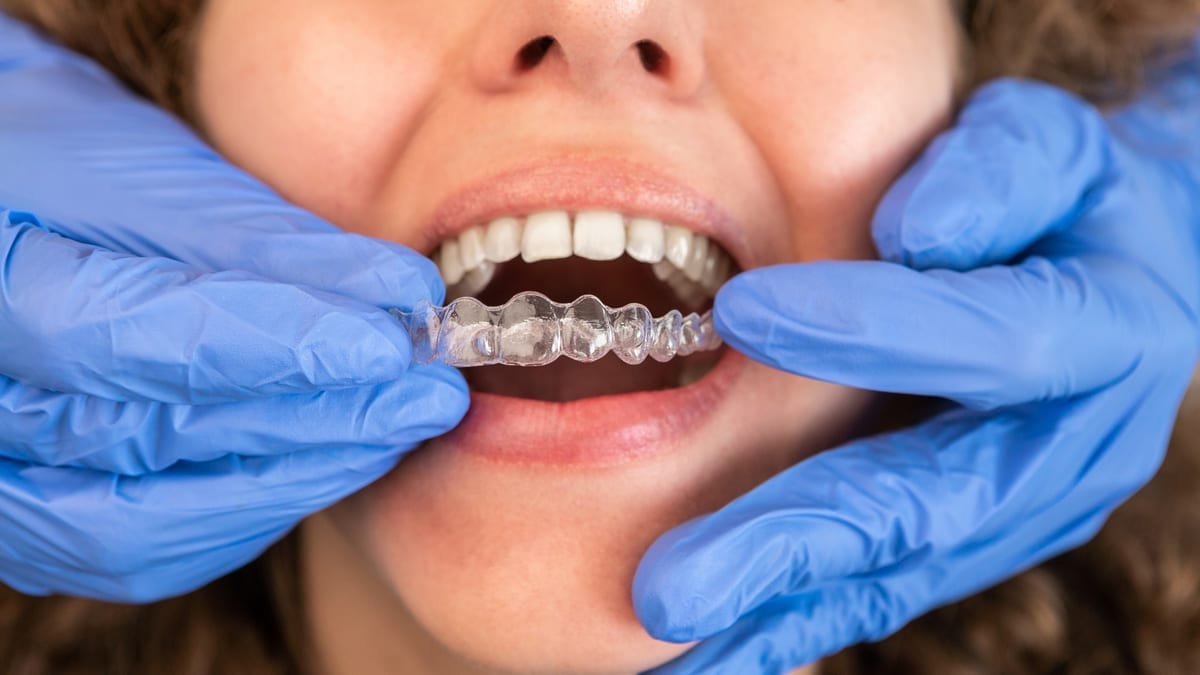
If you are starting Invisalign treatment in Walnut Creek, you may wonder why your aligners change every two weeks. Understanding why your Invisalign aligners change every two weeks in Walnut Creek helps you stay motivated and committed to the process. Each new tray is not just a replacement — it is a carefully calculated step toward your final smile. Dr. Shilpi Seth at Walnut Creek Aesthetic Dentistry walks patients through this process so nothing feels like a mystery.
How Invisalign Moves Your Teeth Step by Step
Invisalign works through a series of custom-made, clear plastic aligners. Each aligner applies gentle, controlled pressure to specific teeth. That pressure gradually shifts teeth into the positions your treatment plan requires. The movement is small with each tray — but it adds up significantly over time.
Before your first aligner is ever made, Dr. Seth uses digital scans of your mouth. These scans create a 3D model of your current bite. Advanced software then maps out every planned tooth movement from start to finish. Each aligner in your series represents one small stage of that full journey.
The key word is controlled. Moving teeth too fast can damage roots and surrounding bone. Invisalign is designed to move teeth safely within biological limits. That is exactly why the two-week schedule exists.
Why Your Invisalign Aligners Change Every Two Weeks in Walnut Creek
The two-week interval is based on how quickly teeth can safely move. Your bone and ligaments need time to remodel around the shifting tooth. During the first week, your aligner is actively pushing the tooth. During the second week, the surrounding tissue stabilizes and adapts.
Switching too early would not give bone tissue enough time to catch up. Switching too late would mean your aligner has finished its job and is no longer applying useful force. Two weeks hits the biological sweet spot for most patients.
Some patients move to a new aligner every seven to ten days. This depends on your age, bone density, and how your teeth respond. Dr. Seth will determine the right schedule for your specific case during your consultation.
- Week 1: Active tooth movement — the aligner applies gentle force
- Week 2: Bone remodeling — tissue stabilizes around the new position
- New aligner: The next small shift begins the cycle again
- End of series: Your teeth reach their final planned positions
The Role of Attachments in Your Invisalign Treatment
Many Walnut Creek Invisalign patients are surprised to learn about attachments. Attachments are small tooth-colored dots bonded to certain teeth. They give your aligners extra grip and leverage to perform more complex movements. Without them, some rotations and vertical shifts would simply not be possible.
Think of attachments as handles your aligner can push against. They allow the plastic tray to move teeth in directions it cannot achieve on its own. Not every patient needs them, but they are very common. Dr. Seth will let you know during your treatment planning phase whether you will need attachments.
Attachments do not change the two-week schedule. They are part of the same carefully sequenced plan. Each aligner in your series is designed to work with the attachments already in place on your teeth.
- Attachments improve rotational movements
- They help with vertical tooth extrusion and intrusion
- They make it possible to treat more complex cases
- They are tooth-colored and virtually invisible in daily life
- They are removed painlessly at the end of treatment
What Are Refinements and Why Might You Need Them?
Even with careful planning, teeth do not always move exactly as predicted. Bone density, habits like clenching, and compliance all affect results. When your original aligner series is complete, Dr. Seth will assess your progress. If additional movement is needed, she will order refinement aligners.
Refinements are a new set of trays designed to complete your treatment. They are not a sign that something went wrong. They are a normal and expected part of achieving precise results. Most Invisalign patients go through at least one round of refinements.
The refinement process involves new digital scans and a revised treatment plan. Your new aligners follow the same two-week change schedule. Refinements give Dr. Seth the ability to fine-tune your bite and alignment with accuracy. They are one of the reasons Invisalign consistently delivers excellent outcomes.
Tips for Getting the Most From Your Aligner Schedule
Your results depend heavily on how consistently you wear your aligners. Invisalign requires 20 to 22 hours of wear per day for the schedule to work. Skipping hours slows tooth movement and can push back your completion date. Treat your aligner wear time as non-negotiable.
Switch your aligners at night before bed when possible. Any initial tightness from the new tray will ease while you sleep. You will wake up with the discomfort already fading. This small habit makes a real difference in comfort and consistency.
Good Dental Care Essentials Walnut Creek habits are also essential during Invisalign. Clean your aligners every morning and every night. Rinse them each time you remove them. Brush and floss before putting them back in your mouth.
Keeping up with your check-in appointments at Walnut Creek Aesthetic Dentistry is equally important. Dr. Seth monitors your progress and catches any issues early. If your teeth are not tracking properly with an aligner, she can address it before it delays your results. Regular oversight keeps your two-week schedule on track.
If you are also curious about tooth replacement options, explore Dental Implants Walnut Creek as a long-term solution our practice also offers. Comprehensive dental care often means addressing multiple concerns at once. Dr. Seth can help you prioritize and plan effectively.
Conclusion
Every two weeks, your Invisalign aligner moves you one step closer to your ideal smile. The schedule is rooted in the biology of tooth movement and bone remodeling. Attachments and refinements are tools that make the process more precise and effective. When you understand how it all works, staying committed becomes much easier.
Dr. Shilpi Seth and the team at Walnut Creek Aesthetic Dentistry are here to guide you through every stage of your Invisalign journey. Whether you are just exploring your options or ready to begin, we are happy to answer your questions in detail. Book Now to schedule your appointment with our team.
Frequently Asked Questions
Why do Invisalign aligners need to be changed every two weeks?
Each aligner applies a small, controlled amount of pressure to move specific teeth. After about two weeks, the tooth has shifted to the aligner’s intended position and the surrounding bone has begun to stabilize. Changing to the next aligner at this point continues the process safely and efficiently without risking damage to roots or tissue.
What happens if I forget to switch my aligner on time?
If you delay switching, your treatment timeline can stretch out. The previous aligner will have completed its job, meaning your teeth are not actively moving. Try to switch on your scheduled day. If you miss a day occasionally, simply switch as soon as you remember and note it for your next appointment with Dr. Seth.
Do all Invisalign patients need attachments?
Not all patients require attachments, but they are very common. Attachments are small tooth-colored dots that give aligners extra leverage for more complex movements like rotations. Dr. Seth will review your 3D treatment plan and let you know whether attachments are part of your specific case before treatment begins.
How long does a full Invisalign treatment take in Walnut Creek?
Treatment length varies based on the complexity of your case. Mild corrections may take as few as six months. More involved alignment issues can take 18 months or longer. Dr. Seth will give you an estimated timeline after reviewing your digital scans and discussing your smile goals at your consultation.
What are Invisalign refinements and are they common?
Refinements are an additional set of aligners created after your original series is complete. They address any remaining tooth movement needed to achieve your final result. Refinements are very common and are a planned part of achieving precise outcomes. They follow the same aligner change schedule and are included in many comprehensive Invisalign treatment plans.