
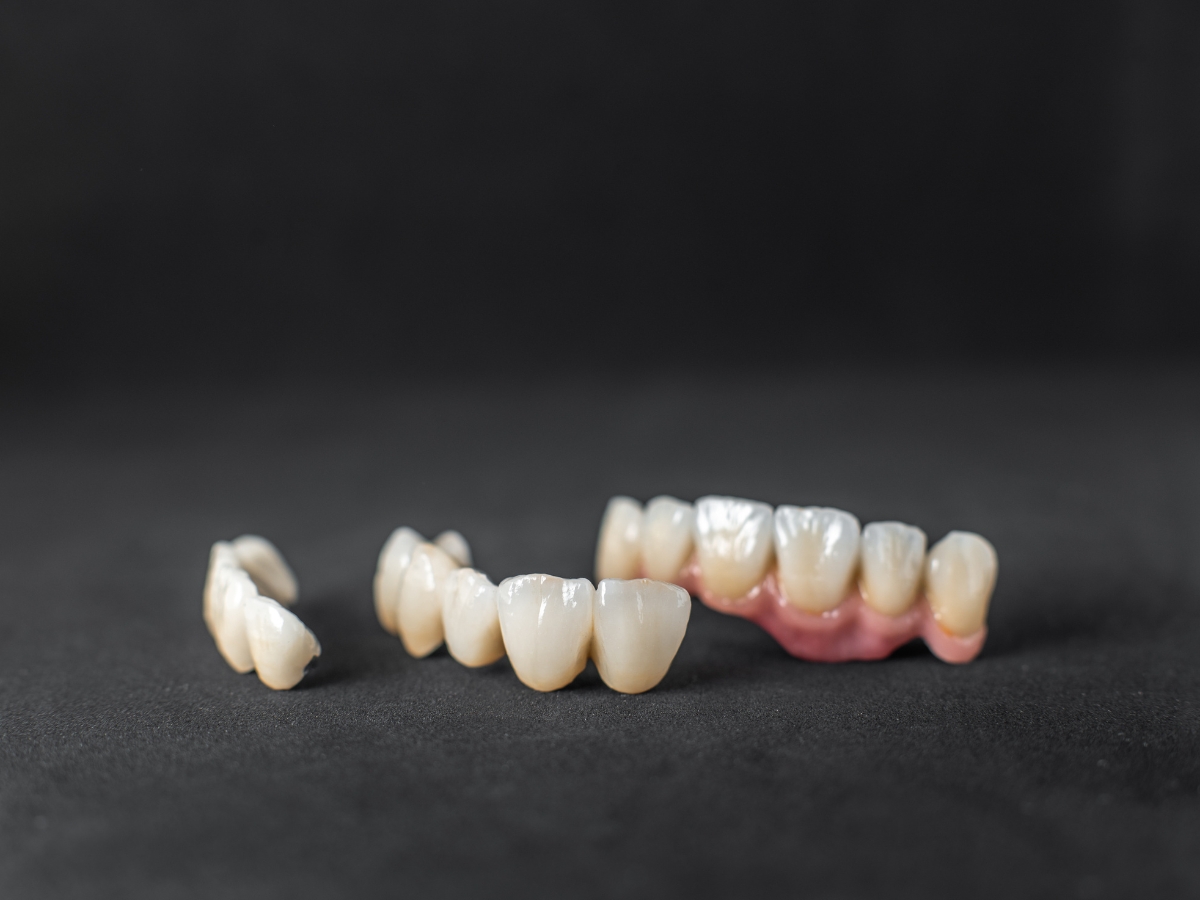
Your teeth work hard to maintain your smile, but wear and tear can occur after many years. Routine dental care helps prevent some problems, but more extensive treatment, such as a dental crown, is sometimes necessary. These crowns help protect the weak or damaged teeth.
If diagnosed early, warning signs can help you maintain your smile and avoid complicated dental problems. If you have any of the warning signs, it may mean that you need a dental crown. However, how do you know when it’s the right time to think about one? In this blog, you will find out the signs that indicate a crown might be in order.
5 Warning Signs You May Need a Dental Crown
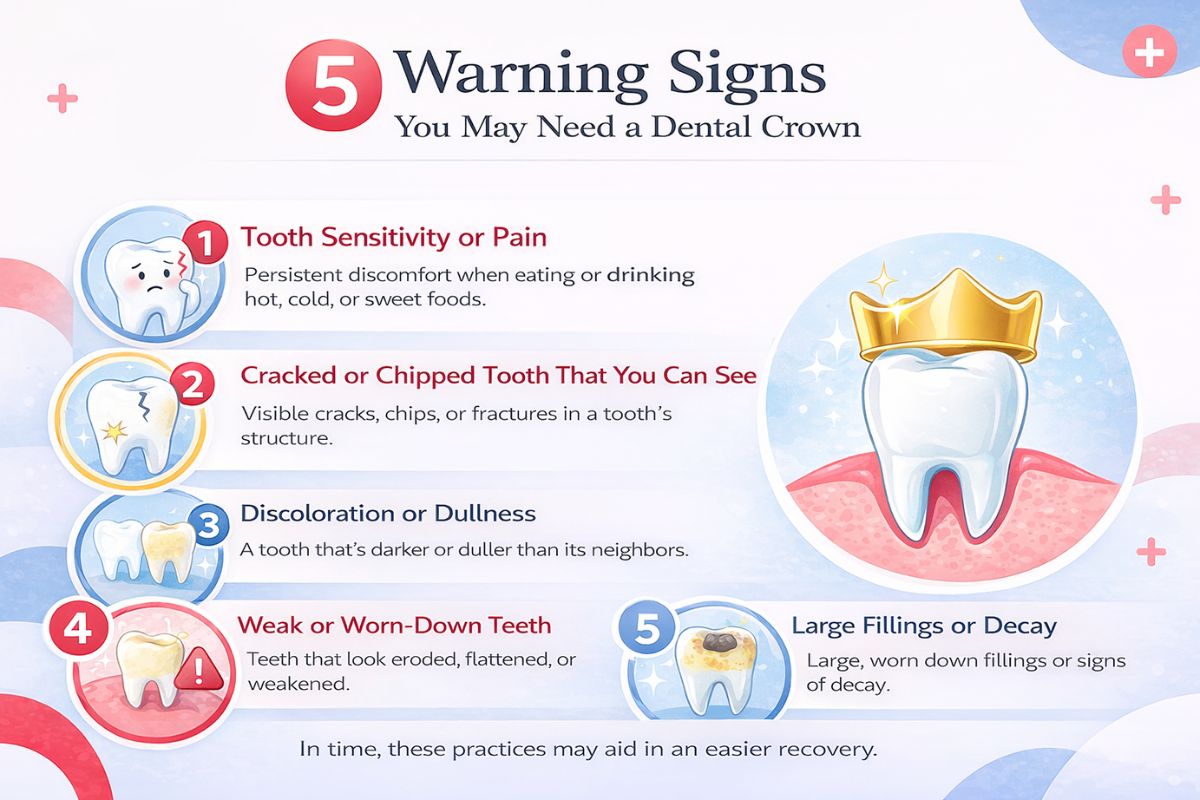
Dental crowns are a versatile solution for tooth-related problems. However, how to know if you need a dental crown? If you notice one or more of the following concerns, it could be time to think about a dental cap to help restore the strength, function, and appearance of your tooth.
1. Tooth Sensitivity or Pain
If you’ve recently noticed that your tooth hurts when eating something hot, cold, or sweet, this could be a bad sign. Sensitivity is usually a symptom of decay or injury that isn’t visible under the surface. It could also be due to a cracked or worn-down tooth. If the sensitivity persists, you may need dental crowns in Walnut Creek to protect the tooth from further damage.
A dentist will assess the extent of damage and may recommend a dental cap to protect the tooth from further strain or decay. The pain could become more severe and result in other, more complex problems that require a higher level of treatment.
2. Cracked or Chipped Tooth That You Can See
Teeth are tough, though they can crack or chip from trauma, tooth grinding, or just biting down on something hard. Although a small chip might seem like no big deal, these imperfections can grow over time and lead to further cracking or worse damage.
If your tooth is cracked, even if only a little, it’s unlikely to heal and may be prone to infection or further fracture. In such cases, your dentist may be able to stabilize the tooth with a dental cap and prevent the crack from worsening. It can restore the tooth’s shape and function and keep your smile intact.
3. Discoloration or Dullness
Discolored or dull teeth may be a sign that there’s more to the story. While stains from food and drink are common, a tooth that turns yellowed or darkened may be facing internal decay or damage. If you’re finding that professional whitening treatments aren’t helping, a dental cap can improve the appearance of your teeth while also preventing any additional degenerative circumstances.
The color of the cap can also be matched with your other teeth so that you have a bright, natural smile. A visit to a local dentist can restore you to your perfect form without any cosmetic concerns; if you need over-the-top coverage, Walnut Creek offers a great deal of dental services.
4. Weak or Worn-Down Teeth
Teeth wear down naturally over time, due to age or common habits such as teeth grinding or clenching. If you’ve noticed that your teeth have started to feel thinner or weaker, it could be because your teeth need extra protection. An impaired tooth can make chewing difficult and may even split under pressure.
A dental crown can help strengthen and protect a tooth that has been worn down considerably. that helps restore the tooth’s strength, preventing normal chewing and wear from breaking it.
5. Large Fillings or Decay
A large filling may leave it vulnerable to further decay. Over time, the filling can deteriorate, exposing the tooth beneath and leaving it vulnerable to damage. If you have significant decay in the tooth or a large filling, it may not be able to support the remaining structure on its own and is at risk of cracking or breaking.
A dental cap can be the perfect solution in such situations, supporting and preserving the tooth while restoring its function. This will keep it tightly in place and help to prevent the filling from loosening or coming out, ultimately prolonging the life of your small tooth.
Dental Crowns Process
Getting a dental crown is nothing if not an uncomplicated procedure which usually requires several visits to your dentist. Let’s take a closer look at what happens during the procedure:
- The Process: It usually starts with an initial consultation, during which your dentist will examine the tooth and may take X-rays to check for underlying problems, such as decay or infection.
- Tooth Preparation: The affected tooth is reshaped to allow for the proper fitting of the dental cap. In some cases, this process involves removing tissue to create space for the cap.
- Impressions: After the tooth is prepared, your dentist will take impressions of your tooth, and they will be sent to a dental lab where the custom cap will be created.
- Temporary Crown: Before the permanent crown is prepared, the dentist will protect your tooth with a temporary crown.
- Crown Placement: When your permanent crown is ready, you’ll return to the dentist’s office for fitting and cementation. There will be adjustments to achieve a comfy, usable fit.
By taking proper care of your dental cap, you can keep it for many years and enhance your dental health.
Are You a Candidate for Dental Crowns?
Dental crowns are effective and versatile options for several dental issues, but how do you know if they’re right for you? If you are in doubt, a few things to think about:
- Tooth Damage: Your tooth may be weakened, cracked, or broken, and a dental crown can help restore its strength and function, preventing further damage.
- Big Fillings: When a tooth has been involved, filling the area with only composite will not eliminate the significant risk; you may need a dental cap to provide proper strength and restore form.
- Cosmetic Considerations: If a tooth is discolored or misshapen, a crown can enhance its appearance and give you a more natural-looking smile.
- Grinding the Teeth: If you are facing nighttime tooth grinding, a crown will protect your teeth under pressure and prevent excessive wear.
- Crowned After a Root Canal: A dental cap is usually recommended after a root canal procedure to help restore the tooth’s structure and provide added strength.
If any of these describe you, then a dental cap is probably just what you need to keep your smile healthy and functioning.
Why Dental Crowns Are a Smart Solution
Did you know dental caps are one of the best permanent solutions to restore different types of weakened or broken teeth? They help to safeguard your natural teeth, achieving that desired look for your smile and an overall boost in oral health.
If you have noticed any of the warning signs, visiting a dentist in Walnut Creek is the right choice. At Walnut Creek Aesthetic Dentistry, our team is ready to walk you through the process of getting a dental crown. We provide you with the best possible care and treatment! If you suspect you might need a dental crown, just call us today and book a consultation!
Questions People Ask About Dental Crowns
- What is a dental crown?
A dental crown is a custom-made cap that covers a damaged or weakened tooth. It restores the tooth’s strength, shape, and appearance, protecting it from further damage and improving your overall oral health. - How long do dental crowns last?
Dental crowns typically last between 10 and 15 years, depending on the material used and how well they are maintained. Good oral hygiene and regular dental checkups can help extend the lifespan of your crown. - Are dental crowns painful?
The dental crown procedure is generally painless as the area is numbed before treatment. You may feel mild soreness afterward, but it’s temporary and can be managed with over-the-counter pain relief. - Can I eat normally with a dental crown?
Yes, after your dental crown is placed, you can eat normally. However, it’s best to avoid extremely hard or sticky foods immediately after placement to ensure the crown settles securely. - Do I need to replace a crown if it gets loose?
If your crown becomes loose, visit your dentist immediately. It may need to be re-cemented or replaced to prevent further damage and ensure the tooth remains protected. - What types of crowns are available?
Dental crowns come in various materials, such as porcelain, metal, or a combination. Your dentist will recommend the best type based on your tooth’s location and your personal preferences for appearance and durability.