
If you live in Saranap and you’ve invested in dental bonding, you’ve probably wondered how long it will last. Understanding dental bonding results — why some last 10 years, others fade in two in Saranap — comes down to materials, technique, and daily habits. At Walnut Creek Aesthetic Dentistry, Dr. Shilpi Seth helps patients make informed choices about their cosmetic care. This article breaks down exactly what affects bonding longevity so you can protect your results.
What Is Dental Bonding and How Does It Work?
Dental bonding uses a tooth-colored composite resin applied directly to the tooth surface. A dentist sculpts and hardens the resin using a special curing light. The result looks natural and blends seamlessly with surrounding teeth. Bonding can fix chips, gaps, discoloration, and minor shape issues quickly.
Unlike porcelain veneers, bonding does not require lab fabrication. This makes treatment faster and more accessible for many patients. However, composite resin is more porous than porcelain. That difference in material plays a big role in how long results last.
Bonding typically takes one office visit to complete. There is no waiting period before you can show off your improved smile. The procedure is also reversible, which makes it a lower-commitment option. Understanding the trade-offs helps you decide if bonding fits your lifestyle.
Why Dental Bonding Results Vary So Dramatically in Saranap Patients
Not every patient gets the same lifespan from their bonding. Several factors create wide variation in how long results hold up. Knowing these factors helps Saranap residents make smarter decisions before and after treatment.
Here are the most common reasons bonding results differ between patients:
- Diet choices: Coffee, tea, red wine, and acidic foods stain and weaken resin faster.
- Teeth grinding (bruxism): Nighttime grinding chips and cracks bonding material quickly.
- Nail biting or chewing objects: These habits put excessive pressure on bonded teeth.
- Oral hygiene routine: Poor brushing lets plaque acids degrade the resin bond over time.
- Dentist skill and technique: Proper etching and bonding protocol directly affects adhesion strength.
- Location of bonding: Front teeth used for biting face more stress than back teeth.
Dr. Seth evaluates each patient’s risk factors before recommending bonding. This personalized approach helps set realistic expectations for your individual case. Some patients are excellent candidates for decade-long results. Others may benefit more from an alternative like porcelain veneers.
Patient Habits That Most Affect Bonding Durability
Your daily routine has a profound impact on how long your bonding lasts. Small changes can add years to your results. Ignoring these habits can cut your bonding lifespan in half.
Follow these practices to protect your investment:
- Limit staining beverages: Use a straw when drinking coffee, tea, or wine to reduce contact with bonded teeth.
- Quit smoking: Tobacco discolors composite resin rapidly and is very difficult to reverse.
- Wear a night guard: If you grind your teeth, a custom guard protects bonding from fracture.
- Brush gently: Use a soft-bristled toothbrush and non-abrasive toothpaste to avoid surface wear.
- Avoid hard foods: Ice, hard candy, and crusty bread can chip bonded areas unexpectedly.
- Attend regular cleanings: Professional care removes buildup that weakens the resin-to-tooth bond.
Consistent Dental Care Essentials Saranap practices are the single biggest factor in long-term bonding success. Patients who maintain these habits regularly report results lasting seven to ten years. Those who skip care often see noticeable deterioration in two to three years. The difference is almost entirely within your control.
How Bonding Compares to Other Cosmetic Options for Longevity
Dental bonding is not the only cosmetic solution available to Saranap patients. Understanding how it compares helps you choose the right treatment for your goals. Longevity and lifestyle should both factor into your decision.
Here is a quick comparison of common cosmetic treatments by expected lifespan:
- Dental bonding: 3–10 years depending on care and habits
- Porcelain veneers: 10–20 years with proper maintenance
- Teeth whitening: 6 months to 2 years before touch-ups are needed
- Dental crowns: 10–15 years or more with good oral hygiene
- Invisalign results: Permanent with consistent retainer use
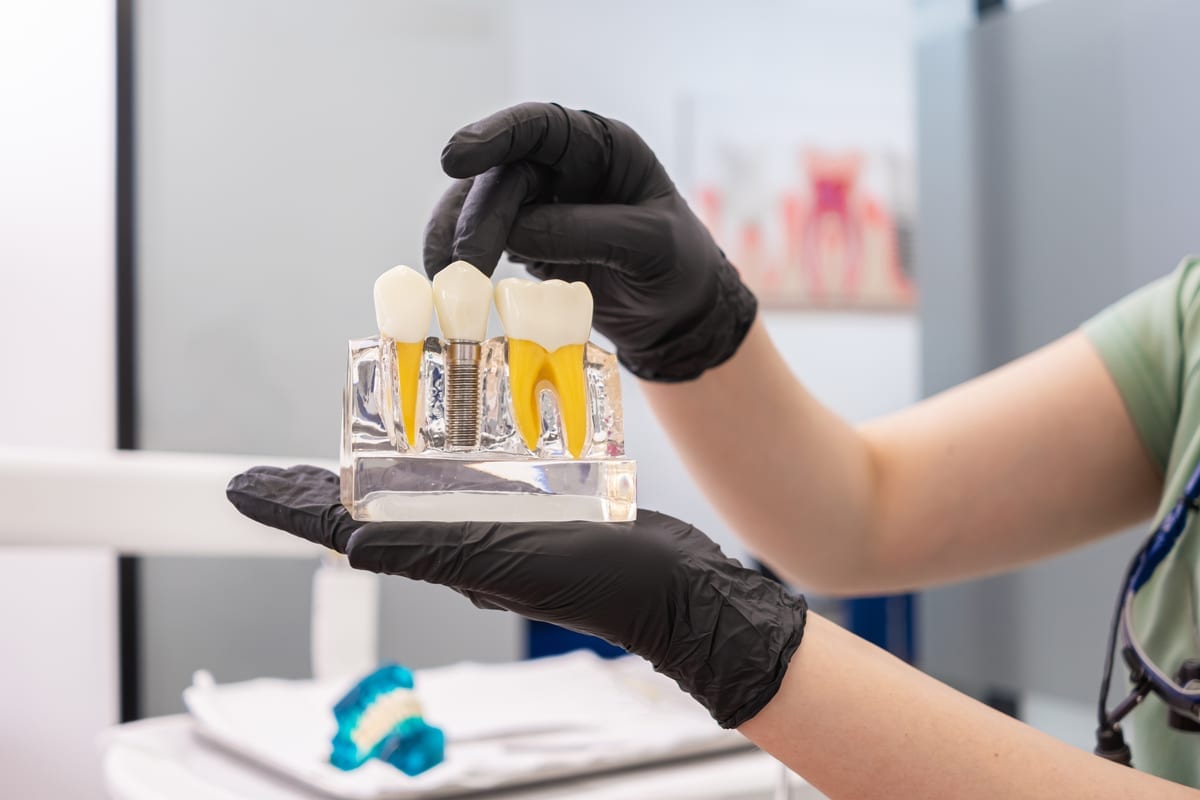
Porcelain veneers last significantly longer than bonding for most patients. However, they cost more and require minimal tooth reduction. Crowns offer even more durability for teeth with structural damage. For patients missing teeth entirely, Dental Implants Saranap provide the most permanent cosmetic and functional solution available.
Bonding remains a smart starting point for younger patients or those testing cosmetic changes. It is also ideal for minor corrections that do not justify more invasive treatment. Dr. Seth discusses all options transparently so you choose based on your priorities.
When to Refresh or Replace Your Dental Bonding
Even well-maintained bonding will need attention eventually. Knowing when to seek professional evaluation prevents small issues from becoming bigger problems. Regular checkups with Dr. Seth help catch changes early.
Watch for these signs that your bonding needs attention:
- Visible discoloration or staining that does not polish away
- Chipping or rough edges along the bonded surface
- Sensitivity in the bonded tooth that was not there before
- A change in how your bite feels when chewing
Minor chips can often be repaired chairside in a single appointment. More significant deterioration may call for replacement or an upgrade to veneers. Dr. Seth evaluates the bonding at every routine visit and advises accordingly. Early action always delivers better outcomes than waiting until damage worsens.
Saranap patients who schedule regular exams get the most from their cosmetic work. Preventive monitoring costs far less than complete replacement. Think of routine visits as maintenance, not just treatment. Your smile investment deserves that level of care.
Conclusion: Protect Your Smile and Make Your Results Last
Dental bonding results — why some last 10 years and others fade in two — ultimately depend on the choices you make every day. Material quality, technique, and your personal habits all contribute to the outcome. Saranap patients who commit to good hygiene and regular professional care consistently enjoy longer-lasting results. At Walnut Creek Aesthetic Dentistry, Dr. Shilpi Seth provides expert cosmetic guidance tailored to your unique needs. Book Now to schedule your appointment with our team.
Frequently Asked Questions
How long does dental bonding typically last for most patients?
Dental bonding generally lasts between three and ten years. The wide range depends on where the bonding is placed, your diet, and how well you maintain your oral hygiene. Front teeth bonding tends to wear faster due to biting pressure. Regular professional checkups help extend your results significantly.
Can dental bonding be repaired if it chips or stains?
Yes, minor chips and surface stains can often be repaired or polished during a routine appointment. More significant damage may require full replacement of the bonded area. Catching problems early makes repair simpler and more affordable. Scheduling regular exams with Dr. Seth ensures issues are addressed before they worsen.
Is dental bonding a good long-term investment for Saranap patients?
Bonding is an excellent investment for the right candidate. It offers an affordable and reversible way to improve your smile with minimal tooth preparation. Patients who follow care guidelines consistently enjoy results that last many years. For patients wanting maximum longevity, Dr. Seth may recommend veneers or crowns as an alternative.
Does teeth grinding affect how long dental bonding lasts?
Yes, bruxism is one of the leading causes of premature bonding failure. Grinding places significant stress on composite resin and can cause chips or cracks. A custom night guard is strongly recommended for patients who grind during sleep. Wearing one consistently can nearly double the lifespan of your bonding.
What foods and drinks should I avoid to protect dental bonding?
Avoid or limit coffee, tea, red wine, and dark sodas, which stain composite resin over time. Hard foods like ice, hard candy, and crusty bread can chip bonded surfaces unexpectedly. Acidic foods and drinks gradually weaken the bond between resin and tooth enamel. Using a straw and rinsing with water after meals helps minimize staining and acid exposure.