
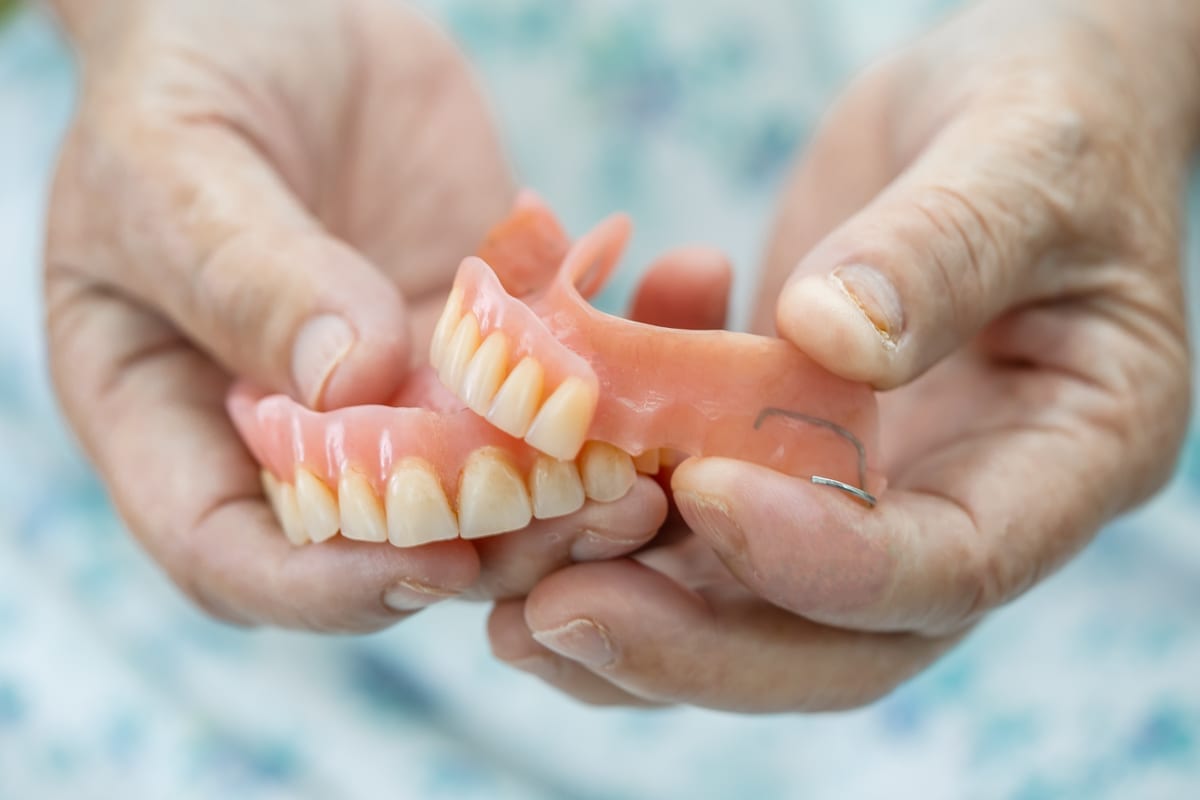
Getting new dentures is a major milestone. But many patients in Walnut Creek are surprised by one thing — eating feels completely different at first. Your new denture diet in Walnut Creek will evolve significantly over year one. Understanding what to eat, when to introduce new foods, and what to avoid permanently will make your adjustment smoother and more comfortable.
Dr. Shilpi Seth at Walnut Creek Aesthetic Dentistry helps patients navigate this transition every day. This guide walks you through each phase of eating with new dentures — from day one through month twelve.
Week One: Starting Your Denture Diet the Right Way in Walnut Creek
The first week is the most critical. Your gums are tender and still adjusting to the fit of your dentures. Starting with the wrong foods can cause pain, sores, and early frustration.
Stick exclusively to soft, smooth foods during this phase. Think yogurt, applesauce, mashed potatoes, and broth-based soups. These foods require no real chewing pressure and will not shift your dentures.
Here are the best foods to start with in week one:
- Smooth yogurt or kefir
- Mashed sweet potatoes or regular potatoes
- Scrambled eggs or soft-boiled eggs
- Oatmeal with no chunks
- Blended or strained soups
- Smoothies without seeds or fibrous fruit
- Soft tofu and hummus
Avoid anything hot enough to burn tender gum tissue. Warm foods are fine — very hot foods are not. Chew slowly and use both sides of your mouth evenly. This keeps your dentures stable while you eat.
Months One Through Three: Expanding What You Can Eat
After the first few weeks, your gums will toughen and your mouth will adapt. Most patients in Walnut Creek find they can introduce semi-soft foods around weeks three to four. Progress should feel gradual — not rushed.
Foods like soft bread, pasta, cooked vegetables, and flaked fish are good next steps. Avoid bread with a hard crust at this stage. Cook vegetables until they are tender enough to press with a fork.
Fish is an excellent protein source for new denture wearers. It flakes apart easily and does not require significant chewing force. Soft chicken — shredded or slow-cooked — also works well at this stage.
Key tips for months one through three:
- Cut all foods into small, bite-sized pieces
- Chew slowly and alternate sides to distribute pressure
- Avoid sticky foods like caramel or peanut butter
- Introduce one new food at a time to test comfort
- Stay hydrated — dry mouths make chewing harder
If a food causes discomfort or shifts your dentures repeatedly, wait another week before trying it again. Patience during this phase pays off significantly later in year one.
Foods to Avoid Permanently With Dentures
Some foods remain problematic regardless of how well you adapt. Knowing these permanently limited foods helps you plan meals confidently. You will not feel restricted once you understand the reasons behind each limitation.
Hard foods like raw carrots, hard candies, and ice can crack or chip your dentures. Biting into a whole apple, for example, puts uneven stress on the front of your denture. That kind of force can loosen the fit or cause breakage over time.
Sticky foods are another permanent concern. Caramel, taffy, and sticky peanut butter can pull your dentures out of position. They also tend to get stuck under the denture base, which causes irritation and soreness.
Foods to permanently limit or avoid include:
- Hard candies and lollipops
- Whole raw apples, carrots, or celery sticks
- Chewing gum (especially non-denture-formula gum)
- Tough, chewy steak or jerky
- Popcorn with hard unpopped kernels
- Crusty bread or hard bagels
- Sticky desserts like taffy or caramel
You can still enjoy many of these foods in modified forms. Apples sliced thin, carrots cooked soft, and tender braised meats can all work well. The key is preparation, not elimination.
Month Six and Beyond: A Nearly Normal Diet Is Possible
By month six, most patients are pleasantly surprised. Your mouth muscles have strengthened. You have learned how to position food and chew efficiently. Your denture diet in Walnut Creek has likely expanded far beyond what you imagined in week one.
Many patients can enjoy grilled chicken, soft steaks, cooked fish, most vegetables, and a wide variety of grains by this point. Confidence builds naturally as you experiment and succeed with new foods.
Proper denture care also plays a major role in how well they fit and perform during meals. The better your Dental Care Essentials Walnut Creek routine, the more comfortable and stable your dentures will feel at the table.
Some patients find that even at the twelve-month mark, their dentures may need a minor adjustment. Bone and gum tissue naturally change shape over time. Annual check-ins with Dr. Seth ensure your dentures continue to fit well and support comfortable eating.
When Dentures Are Not the Right Long-Term Fit
Some patients in Walnut Creek find that traditional dentures do not provide the stability or comfort they hoped for. If you are struggling with slipping dentures or significant chewing limitations, there are other options worth exploring.
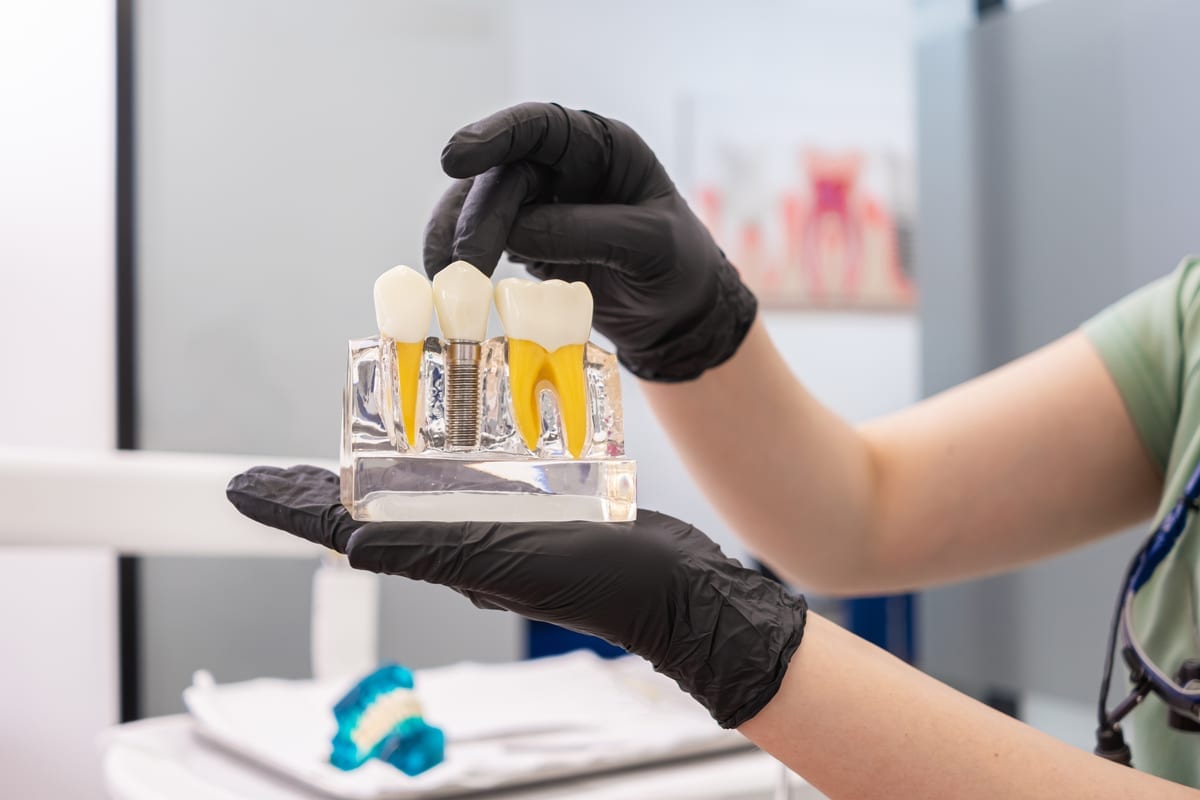
Implant-supported dentures offer significantly more stability during meals. They anchor to your jawbone and do not shift while eating. Patients who choose this option often describe eating as feeling far more natural. Learn more about Dental Implants Walnut Creek to understand whether this solution might be right for you.
Dr. Shilpi Seth evaluates each patient individually. Your bone density, health history, and lifestyle all factor into the recommendation. The goal is always to help you eat comfortably and confidently for the long term.
Conclusion: Your Year One Journey Starts With the Right Plan
Your new denture diet in Walnut Creek does not have to feel limiting or overwhelming. With the right food choices in each phase, most patients build toward a satisfying and varied diet within twelve months. Start soft, progress gradually, avoid the permanently problematic foods, and listen to your body at every stage. Dr. Shilpi Seth and the team at Walnut Creek Aesthetic Dentistry are here to support you through every bite of that journey. Book Now to schedule your appointment with our team.
Frequently Asked Questions
How long does it take to eat normally with new dentures?
Most patients in Walnut Creek see significant improvement within three to six months. By the end of year one, many people enjoy a nearly normal diet with only a few permanent restrictions. The key is gradual progression and patience during the early weeks.
Can I eat steak with dentures?
Tough, chewy steak is difficult for denture wearers, especially in the first several months. However, slow-cooked, braised, or very tender cuts of beef can become manageable by months six to twelve. Always cut meat into small pieces and chew evenly on both sides.
Why do my dentures feel loose when I eat?
Some movement during eating is normal, especially in the first few weeks. As your gums adapt, stability usually improves. If significant looseness persists beyond a few months, schedule an adjustment with Dr. Seth. Changes in bone and gum tissue over time can affect fit.
Is it safe to use denture adhesive every day?
Denture adhesive can help with stability, especially during the early adjustment period. Daily use is generally considered safe when applied as directed. However, if you consistently need large amounts of adhesive, that may signal a fit issue that warrants a professional evaluation.
What is the difference between regular dentures and implant-supported dentures for eating?
Regular dentures rest on the gum tissue and can shift during eating, especially with harder or chewier foods. Implant-supported dentures anchor to the jawbone and provide significantly more stability. Many patients find they can eat a wider range of foods more comfortably with implant-supported options.