If you’ve been putting off dental implants because of something you heard, you’re not alone. Many patients in Acalanes Ridge carry misconceptions that keep them from exploring a life-changing solution. This article tackles the 5 dental implant myths debunked — what patients really need to know in Acalanes Ridge — so you can make a confident, informed decision. Dr. Shilpi Seth and the team at Walnut Creek Aesthetic Dentistry are here to replace fear with facts.
Myth 1: Dental Implants Are Extremely Painful
This is one of the most common fears patients bring up. The idea of a titanium post placed into your jaw sounds intimidating. However, most patients report that the procedure is far more comfortable than they expected.
Modern implant dentistry uses effective local anesthesia throughout the procedure. Many patients compare the experience to a routine tooth extraction. Mild soreness afterward is normal and manageable with over-the-counter pain relief.
Advanced technology also plays a major role in patient comfort. Dental Implant Guided Surgery uses precise digital planning to minimize tissue disruption. This approach leads to faster healing and a smoother overall experience for patients.
Myth 2: I’m Too Old for Dental Implants — Debunked for Acalanes Ridge Patients
Age alone is not a disqualifying factor for dental implants. Many successful implant patients are in their 60s, 70s, and beyond. What matters most is your overall health and bone density.
Older adults often benefit the most from implants. They’ve experienced the most bone loss and discomfort from dentures. Implants restore function and quality of life at any age.
A thorough consultation with Dr. Seth will assess your individual suitability. She evaluates bone volume, gum health, and medical history. Most healthy adults are excellent candidates regardless of their age.
- Bone grafting can help patients who lack sufficient bone density
- Systemic health is evaluated, not just age
- Many seniors enjoy decades of success with implants
- Implants prevent further bone loss that dentures cannot stop
Myth 3: Dental Implants Look and Feel Fake
Some patients worry that implants will look obviously artificial. This myth is simply outdated. Modern implant restorations are crafted to match your natural teeth precisely.
The crown placed on top of the implant is custom-designed. It matches the shape, size, and shade of your surrounding teeth. No one in your life will be able to tell the difference.
Implants also feel natural because they integrate with your jawbone. Unlike dentures, they don’t shift or click while you speak or eat. Patients regularly forget which tooth is the implant after healing is complete.
The result is a restoration that looks, feels, and functions like a real tooth. It’s one of the most aesthetically convincing solutions in modern dentistry. Patients in Acalanes Ridge can expect seamlessly beautiful results.
Myth 4: Implants Always Fail — The Real Success Rates
Fear of failure stops many patients from moving forward. In reality, dental implants have one of the highest success rates of any elective dental procedure. Studies consistently show success rates above 95% over a ten-year period.
Failure is rare and usually linked to specific, preventable risk factors. Smoking, uncontrolled diabetes, and poor oral hygiene are the most common contributors. Patients who follow post-procedure care instructions typically enjoy lasting results.
Your dentist also plays a critical role in long-term success. Proper placement, high-quality materials, and patient-specific planning all matter. Dr. Seth’s approach prioritizes precision and individualized care at every step.
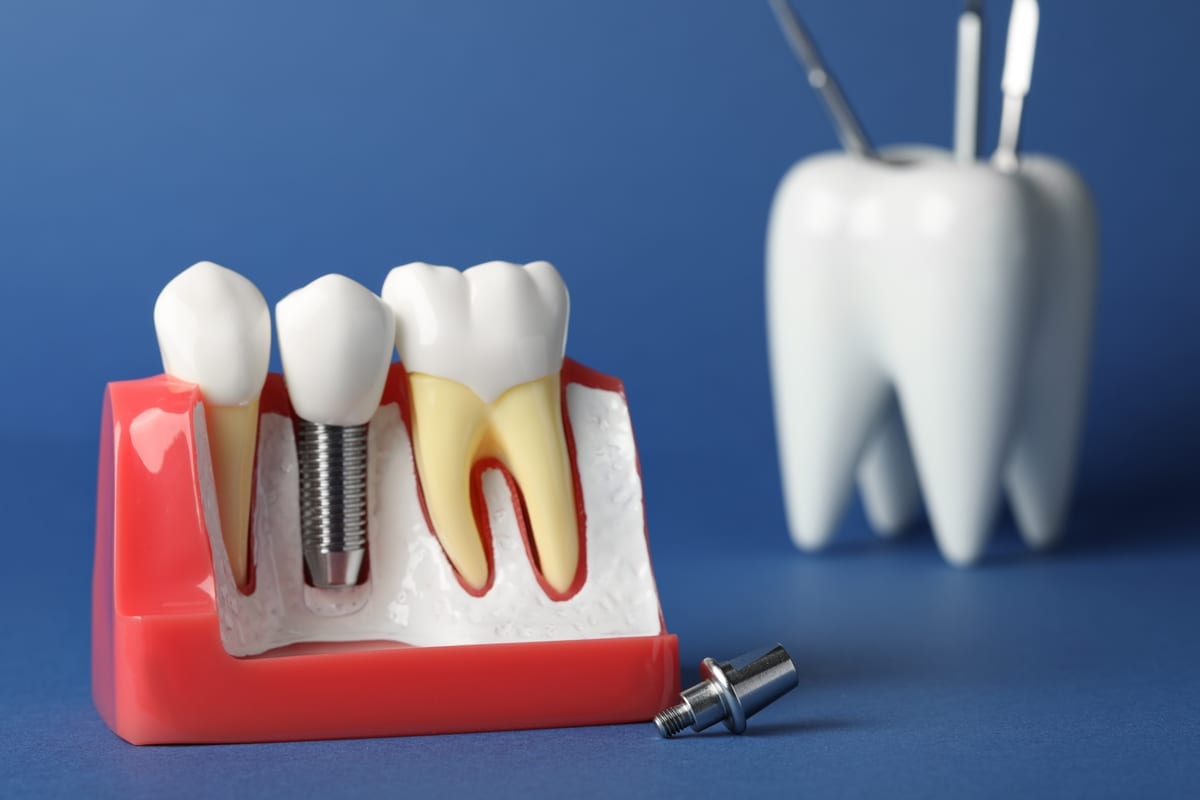
- Implants fuse with bone through a process called osseointegration
- Regular dental check-ups help maintain implant health
- Good oral hygiene habits significantly reduce failure risk
- Most implants last 20+ years with proper care
- Non-smokers and healthy individuals see the highest success rates
Myth 5: You Need a Root Canal Before Getting an Implant
This myth confuses two completely separate procedures. A dental implant replaces a tooth that is already missing or needs removal. A Root Canal Therapy is performed to save a tooth that still has a viable root structure.
These are different solutions for different situations. Root canal treatment preserves your natural tooth whenever possible. An implant steps in when the tooth cannot be saved or has already been extracted.
Dr. Seth will always recommend the most conservative option first. If your natural tooth can be saved, she will prioritize that approach. Implants are recommended when preservation is no longer feasible or practical.
What Acalanes Ridge Patients Should Expect During the Implant Process
Understanding the process helps eliminate fear and uncertainty. The implant journey typically unfolds across several appointments over a few months. Each stage is clearly explained before treatment begins.
Here is a general overview of what to expect:
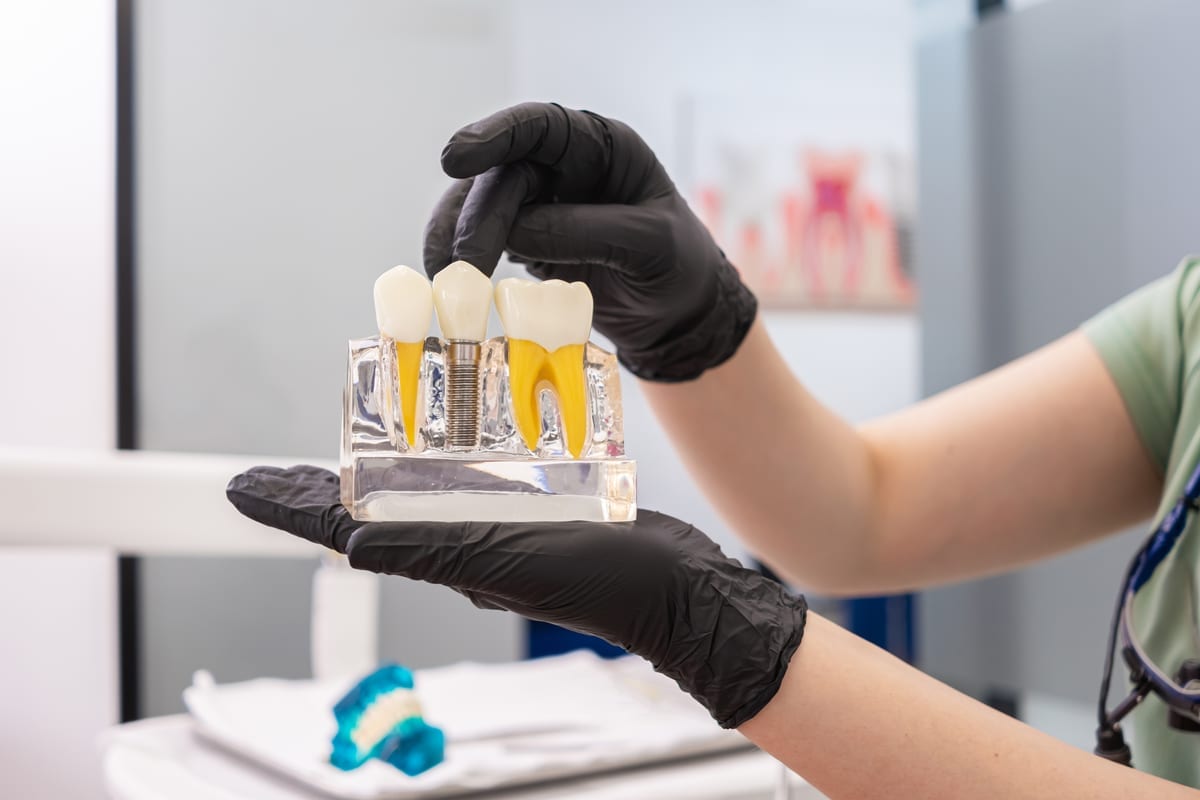
- Consultation and imaging: Dr. Seth examines your jaw and takes digital scans to plan treatment
- Implant placement: The titanium post is surgically positioned in the jawbone under local anesthesia
- Healing period: The implant fuses with the bone over several weeks to months
- Abutment placement: A small connector piece is attached to the implant
- Crown attachment: Your custom crown is secured, completing the restoration
Each step is designed with your comfort and safety in mind. Dr. Seth and her team guide you through every phase. Patients consistently leave feeling more prepared than they ever expected.
Conclusion: Stop Letting Myths Hold You Back
The 5 dental implant myths debunked here are among the most common barriers patients in Acalanes Ridge face. Fear, misinformation, and outdated ideas should never stand between you and a healthier smile. Dr. Shilpi Seth at Walnut Creek Aesthetic Dentistry is committed to honest, patient-centered education at every visit.
You deserve accurate information before making any dental decision. A consultation is the best first step — no pressure, no guesswork. Book Now to schedule your appointment with our team.
Frequently Asked Questions
How long do dental implants actually last?
With proper care and regular dental visits, dental implants can last 20 years or longer. Many patients enjoy implants for a lifetime. The crown on top may eventually need replacement, but the implant post itself is highly durable.
Am I a good candidate for dental implants if I have bone loss?
Bone loss does not automatically disqualify you. Dr. Seth will assess your bone volume during a consultation. If needed, bone grafting can rebuild the foundation required for a successful implant placement.
How painful is the dental implant procedure really?
Most patients describe the discomfort as mild and manageable. Local anesthesia is used throughout the procedure to keep you comfortable. Post-procedure soreness typically resolves within a few days with standard pain relief measures.
Is there a minimum or maximum age for dental implants?
Implants are generally not placed in younger patients whose jaws are still developing. For adults, there is no upper age limit. Suitability is based on overall health, bone density, and gum condition — not age alone.
How is a dental implant different from a dental bridge or denture?
An implant is a standalone tooth root replacement that integrates with your jawbone. Bridges rely on neighboring teeth for support, which can weaken those teeth over time. Dentures sit on top of the gum and do not prevent bone loss the way implants do.