

If you live in Saranap and have ever walked out of a cleaning feeling like your smile could still look brighter, you are not alone. Understanding what your teeth cleaning can—and can’t—remove in Saranap helps set realistic expectations. A professional cleaning does remarkable things for your oral health. But it has limits—and knowing those limits helps you plan the right next step.
At Walnut Creek Aesthetic Dentistry, Dr. Shilpi Seth takes time to explain exactly what each visit accomplishes. This article breaks it all down so you feel informed before you even sit in the chair.
What a Professional Teeth Cleaning Actually Does
A professional cleaning is not simply brushing with stronger toothpaste. Your dental hygienist uses specialized tools to remove buildup that home care cannot touch. The process targets two major culprits: plaque and tartar.
Plaque is a soft, sticky film of bacteria. Left alone, it hardens into tartar—also called calculus. Tartar bonds to enamel and cannot be removed with a toothbrush. Your hygienist uses a scaler to chip it away carefully.
After scaling, the hygienist polishes your teeth with a mildly abrasive paste. This paste buffs away light surface stains and leaves enamel feeling smooth. Smooth surfaces are also harder for future plaque to cling to.
- Removes plaque before it hardens into tartar
- Eliminates tartar buildup along and below the gumline
- Polishes away light extrinsic surface stains
- Reduces your risk of gum disease and tooth decay
- Gives your hygienist a chance to spot early oral health concerns
Which Stains a Cleaning Can Remove in Saranap
Teeth cleaning works best on extrinsic stains. These are stains that sit on the outer surface of your enamel. They have not penetrated deeper into the tooth structure. The polishing step during your cleaning can reduce or remove many of these stains.
Common sources of extrinsic stains include coffee, tea, red wine, and dark berries. Tobacco use also deposits surface stains over time. If you consume these regularly, you may notice visible discoloration that builds between cleanings.
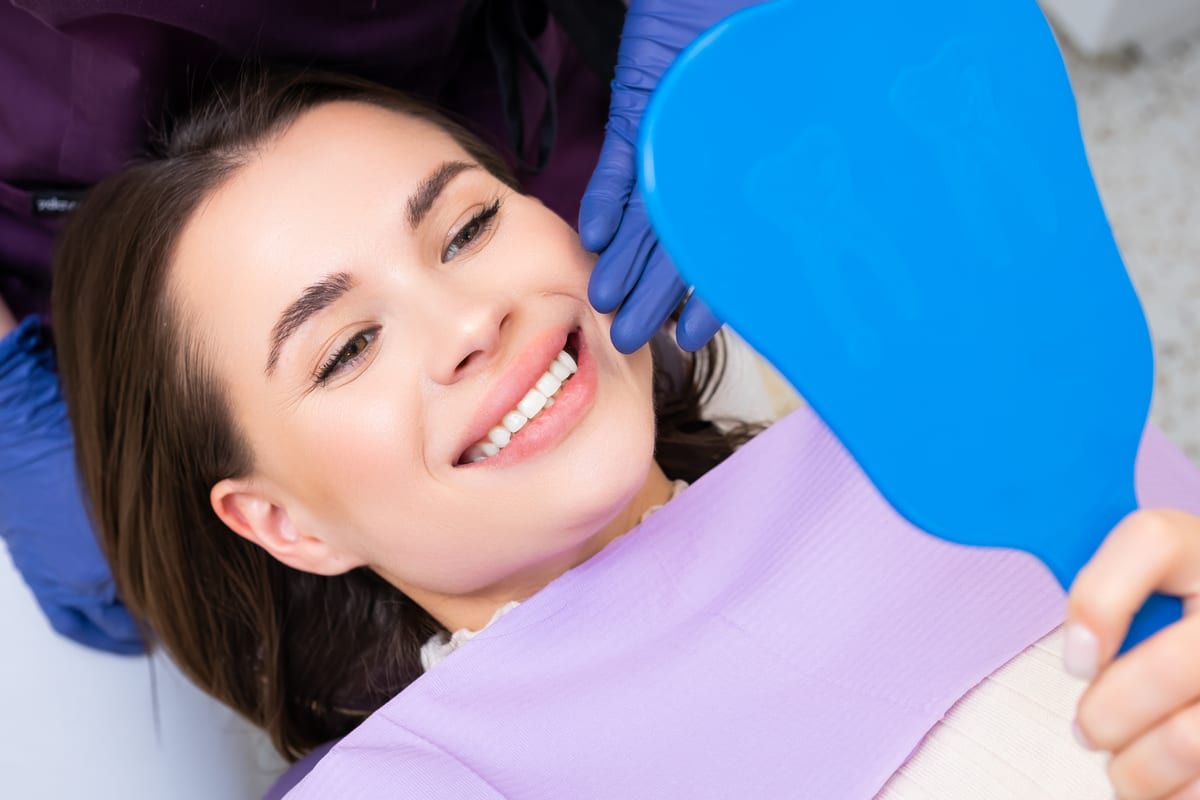
The good news: a thorough cleaning can lift a meaningful amount of this surface discoloration. Many patients notice their teeth look noticeably cleaner and slightly brighter right after their appointment. This is especially true if they keep up with regular six-month visits.
- Coffee and tea stains on enamel surfaces
- Light tobacco discoloration accumulated over months
- Food-based pigmentation from dark sauces and berries
- General dullness caused by plaque film buildup
What a Cleaning Cannot Remove—and Why Whitening Helps
Here is where realistic expectations matter most. A cleaning cannot remove intrinsic stains. These stains live inside the tooth structure itself—not just on the surface. No amount of scaling or polishing will reach them.
Intrinsic discoloration has several causes. Aging naturally darkens teeth from the inside as enamel thins and dentin shows through. Certain antibiotics, like tetracycline, can cause deep staining during tooth development. Fluorosis from excessive fluoride exposure can also create internal discoloration.
If your teeth still look yellow or gray after a cleaning, intrinsic staining is likely the reason. This is when professional teeth whitening becomes the appropriate next step. Whitening treatments use peroxide-based gels that penetrate enamel to lighten the tooth from within.
Dr. Seth can evaluate your staining type during your visit. She will help you determine whether a cleaning alone meets your goals or whether whitening would give you the results you want.
How Often Should Saranap Patients Schedule Cleanings?
Most patients benefit from a professional cleaning every six months. This schedule keeps tartar from accumulating excessively. It also gives your care team a regular window to monitor your gum health and catch early decay.
Some patients need more frequent visits. If you have a history of gum disease, you may benefit from cleanings every three to four months. Patients with dry mouth, diabetes, or certain health conditions often accumulate tartar faster than average.
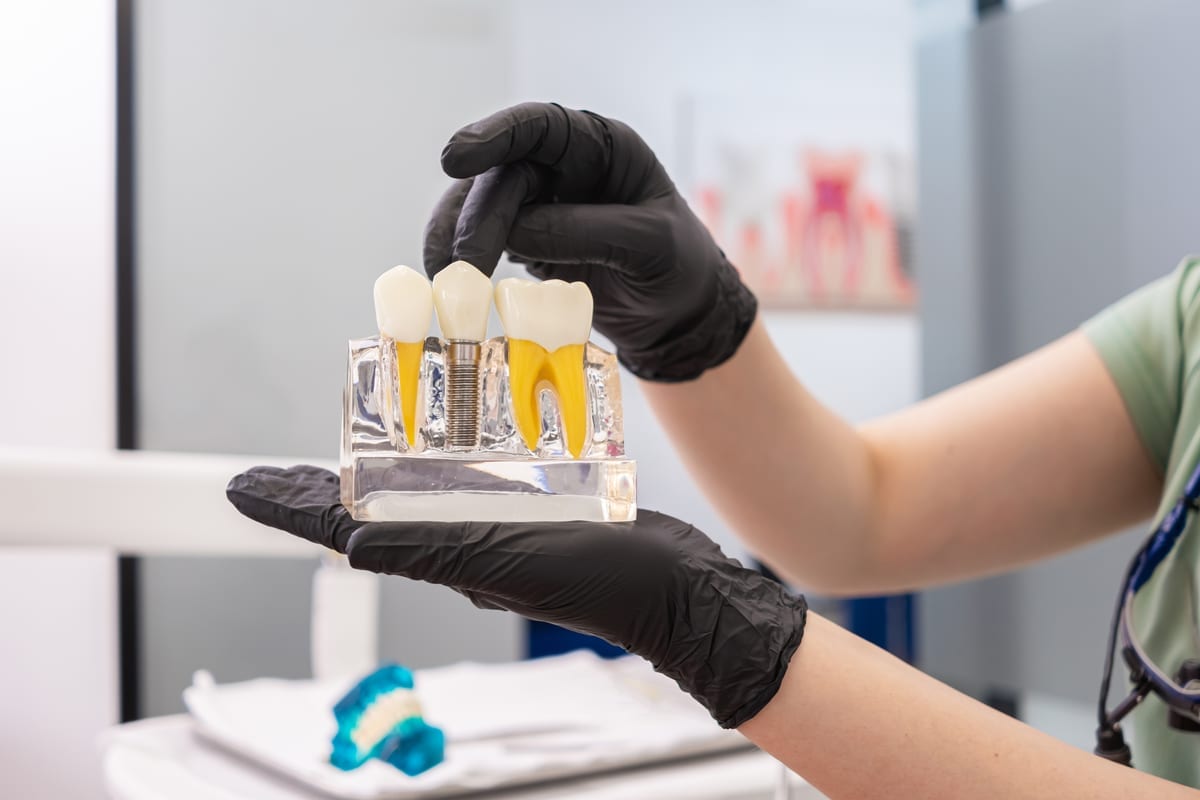
Skipping cleanings does not just affect appearance. Tartar buildup below the gumline triggers inflammation and can lead to periodontal disease. Advanced gum disease is one of the leading causes of tooth loss in adults. In some cases, tooth loss leads patients to explore options like Dental Implant Guided Surgery to restore their smile permanently.
Staying consistent with your cleaning schedule is the simplest way to protect both your oral health and the brightness of your smile between whitening treatments.
What to Expect During Your Cleaning Visit at Our Walnut Creek Practice
Knowing what happens during your appointment can ease any anxiety. Here is a straightforward walkthrough of a typical cleaning visit at Walnut Creek Aesthetic Dentistry.
- Review of health history — Your hygienist updates your medical and dental records before beginning.
- Examination — Dr. Seth or your hygienist checks for signs of decay, gum changes, or other concerns.
- Scaling — Tartar is carefully removed from all tooth surfaces, including below the gumline.
- Polishing — A gritty paste buffs away surface stains and smooths enamel.
- Flossing — Interdental spaces are cleaned to remove anything missed between teeth.
- Rinsing — A fluoride rinse may be applied to strengthen enamel and protect against sensitivity.
If Dr. Seth identifies a deeper concern during your visit—such as a tooth that may need Root Canal Therapy—she will discuss that with you clearly and without pressure. Your comfort and understanding always come first.
Making the Most of Your Results
After your cleaning, a few simple habits help maintain your results longer. Rinsing with water after consuming coffee or tea dilutes pigments before they settle. Using a whitening toothpaste between appointments can manage light surface buildup. Staying consistent with flossing also prevents stain-trapping plaque from accumulating between teeth.
If you want noticeably whiter teeth beyond what a cleaning provides, talk with Dr. Seth about professional whitening options. She can recommend the right approach based on the type and depth of your staining. Together, you can build a plan that fits your smile goals and your lifestyle.
Frequently Asked Questions
Will my teeth look whiter after a professional cleaning?
Many patients notice their teeth look cleaner and slightly brighter after a cleaning. The polishing step removes surface stains from coffee, tea, and food. However, if you have intrinsic or deep staining, a cleaning alone will not whiten your teeth significantly. Professional whitening is the appropriate treatment for deeper discoloration.
How is a teeth cleaning different from teeth whitening?
A teeth cleaning removes plaque, tartar, and light surface stains to protect your oral health. Teeth whitening uses peroxide-based agents to lighten the color of your enamel and dentin. Cleaning is a preventive health procedure. Whitening is a cosmetic treatment. Many patients benefit from both as part of a complete smile care plan.
Can a cleaning remove stains caused by smoking or tobacco?
A cleaning can reduce some tobacco-related surface staining, especially if the buildup is mild. However, long-term or heavy tobacco use often creates stains that go beyond what polishing can address. In those cases, professional whitening may be needed after cleaning. Dr. Seth can assess the level of staining at your appointment and suggest the best path forward.
How long does a professional cleaning take?
Most standard cleaning appointments take between 45 minutes and one hour. If you have significant tartar buildup or have not been seen in a while, the appointment may take a bit longer. Your hygienist will work carefully to ensure every surface is thoroughly cleaned without rushing through the process.
What if my gums bleed during a cleaning?
Some bleeding during a cleaning is common, especially if tartar has accumulated near the gumline. Bleeding can signal early gum inflammation, but it often improves with regular cleanings and consistent home care. If bleeding is significant or persistent, Dr. Seth will evaluate your gum health and recommend appropriate next steps.
Ready to experience a cleaning that sets a clear foundation for your smile goals? Book Now to schedule your appointment with our team.